
Fishing Regulations in Canada: What Every Angler Needs to Know
A breakdown of federal and provincial licensing requirements, size and possession limits, and seasonal closures that affect freshwater anglers in Ontario.
Read article →Practical guides on fishing regulations, seasonal species patterns, gear selection, and the most accessible lakes and rivers across Ontario and beyond.
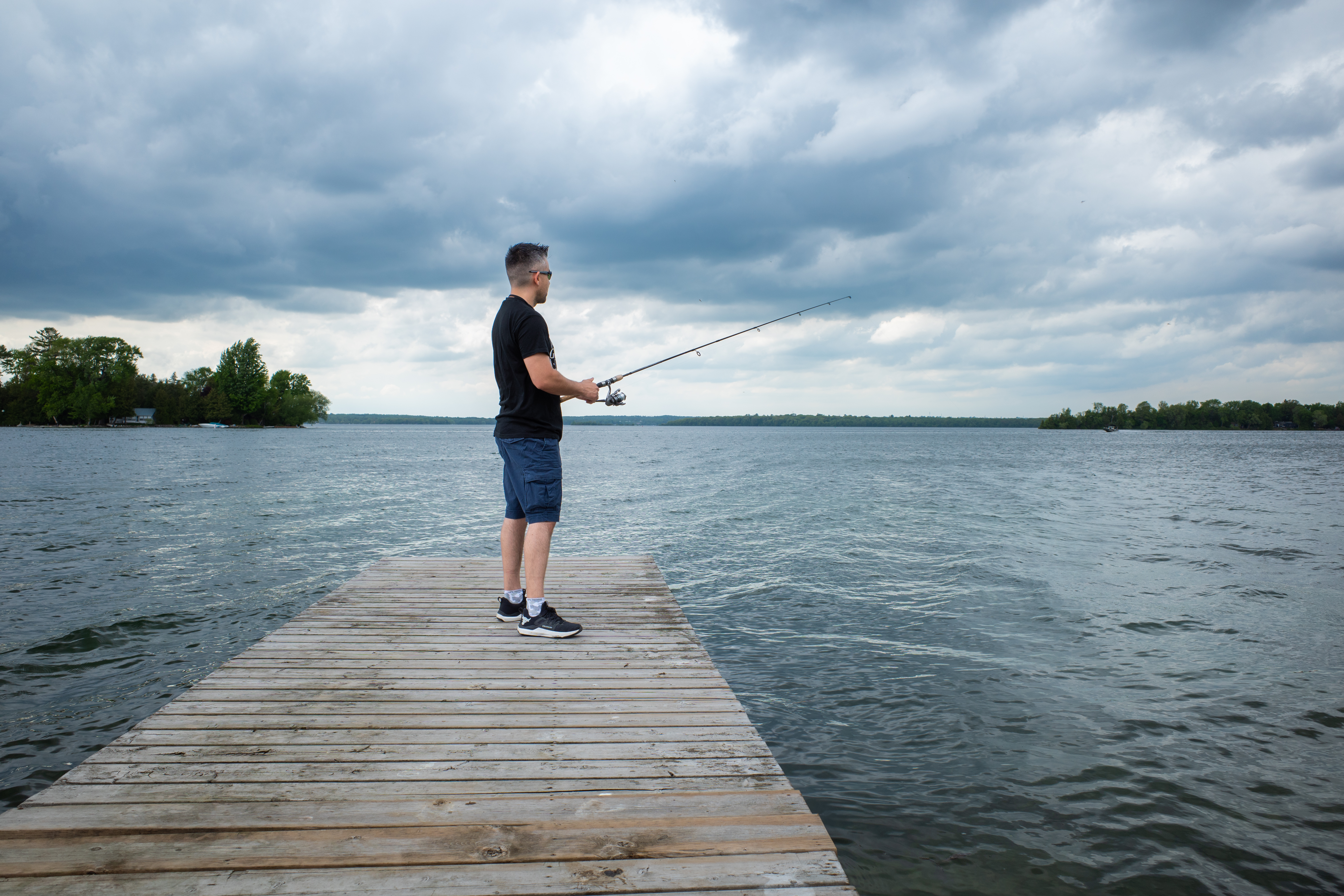
Detailed, up-to-date information for Ontario anglers — from licence requirements to the best spots to access a lake after spring ice-out.
A breakdown of federal and provincial licensing requirements, size and possession limits, and seasonal closures that affect freshwater anglers in Ontario.
Read article →
How walleye, northern pike, lake trout, smallmouth bass, and muskellunge behave across winter, spring, summer, and fall — and what that means for planning a trip.
Read article →
Public boat launches, accessible shoreline areas, and road-accessible fishing locations across central and northern Ontario — with notes on facilities and seasonal conditions.
Read article →Ontario fishing requires a valid licence from the Ministry of Natural Resources and Forestry. Rules vary by species, zone, and season. This site explains where to find current rules and what to check before heading out.
Fish move with water temperature and spawn cycles. Walleye stack in shallow rocky areas through spring. Northern pike retreat to cooler depths mid-summer. Understanding these patterns affects where and how you fish.
Rod action, line weight, and terminal tackle choices shift by species and season. A medium-light spinning setup that works for walleye in June is different from what you need for late-fall pike in weedy shallows.
Many Ontario lakes have public boat launches managed by the MNRF or local municipalities. Some require a day-use fee; others are free. Shoreline access varies significantly by area and land ownership.
Ontario's rivers — including the Trent, Magnetawan, and Spanish — hold populations of walleye, bass, and migratory salmon in season. Access points and flow conditions differ significantly between spring and late summer.
Ontario Outdoors Cards and sport fishing licences are available online through the MNRF or at authorized retailers. Non-residents require a separate licence. Specific fisheries (e.g., Lake Nipissing walleye) may have additional restrictions.
Ontario issues Sport and Conservation licences. Sport allows higher possession limits; Conservation is lower cost with reduced limits. Both require a valid Outdoors Card. Seniors 65+ and children under 18 fish licence-free in Ontario.
Walleye season typically opens the third Saturday in May in most southern Ontario zones. Lake trout season in inland lakes often opens January 1. Muskellunge season opens around the same time as walleye. Always confirm with the current Ontario Fishing Regulations Summary.
Many fisheries with declining populations — particularly lake trout in inland lakes — benefit from careful handling. Use barbless hooks where possible. Return large breeding-age fish quickly. MNRF data shows size-limit changes in several Ontario management units following population monitoring in recent years.
Ontario's Invasive Species Act prohibits transport of live baitfish between certain water bodies. Using live shiners caught in one lake in a different lake is not permitted in many zones. Check zone-specific bait rules before purchase.